
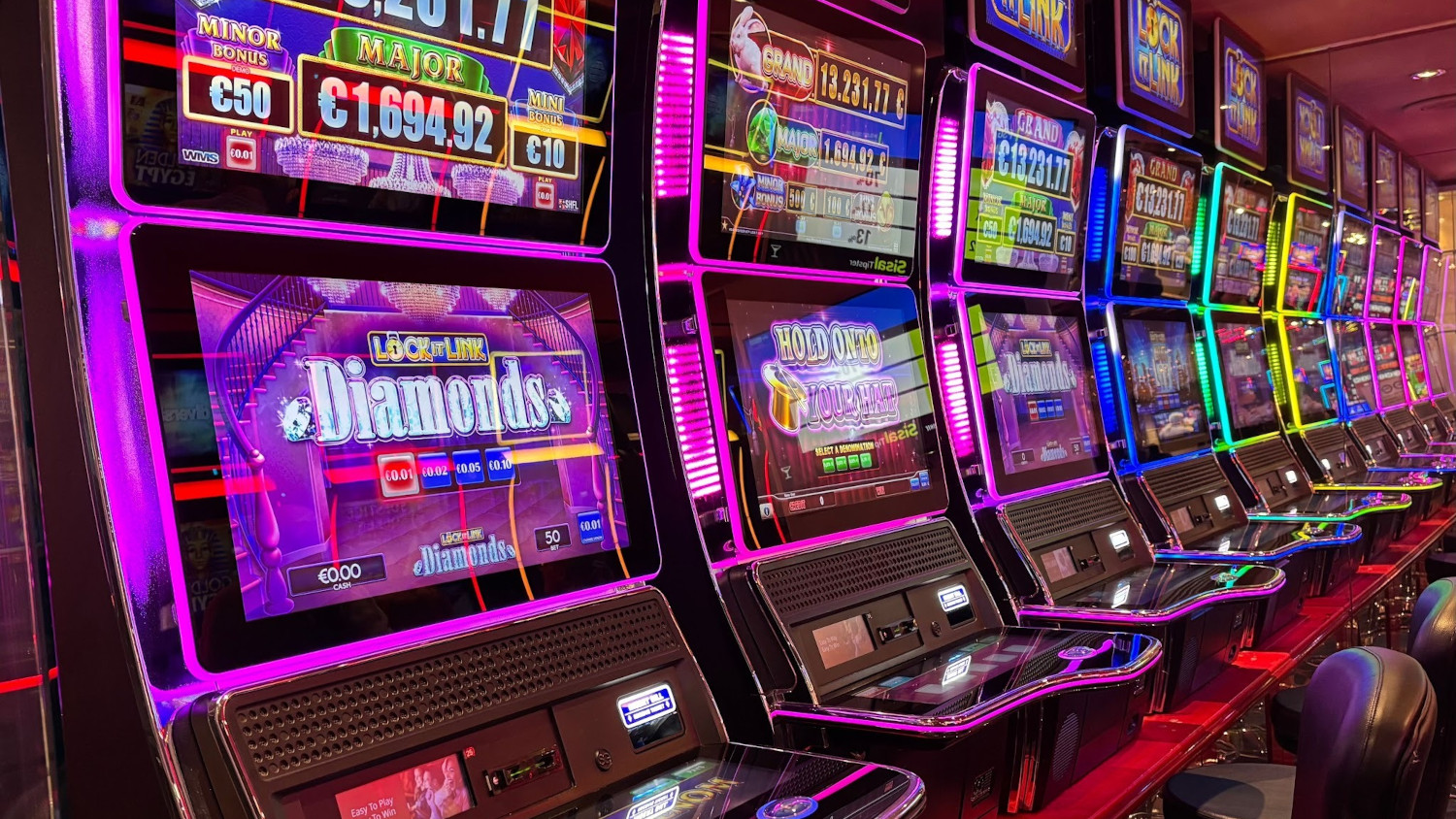
From five-pound bet limits to record-smashing jackpots, online slots have quietly staked out a spot as one of the hottest topics in digital entertainment. They’ve jumped from the shadows right into the spotlight. What’s fuelling the boom, and why do people keep coming back for more?
There was a time when “slot machine” meant flashing lights in a beachside arcade, the corner of a pub or a trip to a nearby casino, gulping down your spare change and pretty much forgotten by dinnertime. That scene’s almost unrecognisable now. These days, reels spin on phones, tablets and laptops, any time and anywhere. On the sofa, at a bus stop or while waiting in line at the supermarket. Online slots aren’t some quirky pastime anymore; now, they’re woven into British culture and the stats back it up.
Slots are right at the heart of the UK’s online gambling world. The Gambling Commission says slots raked in £4.2 billion out of the £5 billion total made by online casino games in the year up to March 2025. That’s not “niche”, that’s mainstream entertainment with real economic impact.
What exactly are online slots?
If you’ve never spun a digital reel, it’s pretty straightforward. When talking about online slots, it's about the web’s take on the classic fruit machine, built on spinning reels and matching symbols. But it comes with outcomes set by random number-generating software, not cogs and springs. Modern slots come dressed up in every theme you can imagine; Egyptian tombs, space missions and TV game shows, and most offer bonus features like free spins, multipliers and special rounds. It keeps things interesting, even after a hundred spins.
Lots of companies have built their whole brand around this. You’ll find sites loaded with gaming options: Slots, table games and live casino rooms, the full works. It’s like a traditional casino floor that fits in your back pocket.
Why the numbers keep climbing
This part of the gambling world keeps growing, sometimes surprisingly fast. From January to March 2025, Gambling Commission data showed online slots revenue jumping 11% year-on-year to £689 million, with bets and spins mounting up. The next quarter? Slots revenue surged another 14% to £745 million, and there were 24.4 billion individual spins recorded in just three months.
A big part of the appeal is just how easy it is to play. There’s no dress code, no drive and no waiting for a table. You can launch a game in seconds and quit just as fast, which suits short attention spans. Factor in the slick graphics, sharp animations, satisfying sounds and themes tied to movies, TV and music, and you start to see why people treat a round of slots like any other quick distraction, like checking Instagram or watching a TikTok.
The lure of a life-changing jackpot
Nothing stirs up excitement for slots like a massive jackpot win, and 2025 had a whopper. A Michigan player took a $0.20 bet and turned it into a $9.28 million payday on DraftKings Casino, the biggest online casino win in U.S. history at the time. The prise started at $1 million and kept building until one lucky spin scooped the lot. Stories like that spread fast; no marketing campaign can match the power of a headline like that. It’s a reminder: A life-changing win is just a spin away.
That hope is what keeps progressive jackpots so popular. Unlike a standard slot with a fixed prise, a progressive jackpot swells every time anyone plays, anywhere on the network. The prise can soar into the millions before someone finally wins it. Watching that number climb in real time makes the payout feel even more dramatic, and more tempting.
Regulation is reshaping how people play
But it’s not all smooth sailing. Regulators have stepped in to shake things up. In April 2025, Britain put a new cap on online slot bets: £5 for adults, £2 for 18- to 24-year-olds. These changes are making a difference. The most recent Gambling Commission data, from October to December 2025, showed fewer slots sessions lasted longer than an hour compared to the quarter before, even as the number of spins hit a new peak of 27.4 billion for the quarter.
That says a lot: More spins overall, but shorter playing sessions. Players haven't quit, they’ve just tweaked the way they play. Slots are still bringing in the most money for online casinos, even under these tighter rules, which proves just how much slots have become part of our everyday downtime.
What keeps people coming back?
If you ask around, some patterns emerge. It’s the sheer variety: Thousands of different games out there, with new ones launching all the time, so you rarely get bored. There’s a low bar to play: Small stakes, quick sessions and with no need to invest loads of time or cash. The social part matters too. Leaderboards, tournaments and shared jackpots have brought in a competitive edge that keeps players logging back in.
And you can't ignore the design. Bright visuals, sharp animations and sound effects, all crafted to make even a small win feel special. Mix that thrill with the chance, no matter how tiny, of nabbing a huge win, and it’s easy to see the draw.
Still, if you’re trying this out for the first time, remember: Every outcome’s controlled by random number generators. No strategy changes that. Treat it like fun with a set budget, not a money-maker. That’s what most experienced players and the authorities suggest.
Slots at the main stage
Online slots have gone from the sidelines to the main stage. They’re raking in billions, shattering jackpot records and fitting modern habits to a tee, even as regulation tightens.
Whether it’s the promise of a growing jackpot, the simplicity of a quick game, the bright colours and thrilling sounds or all the different themes, it’s clear online slots aren’t going away. New rules might change how people play, but they haven’t cooled Britain’s appetite for one of its most popular digital pastimes.


