
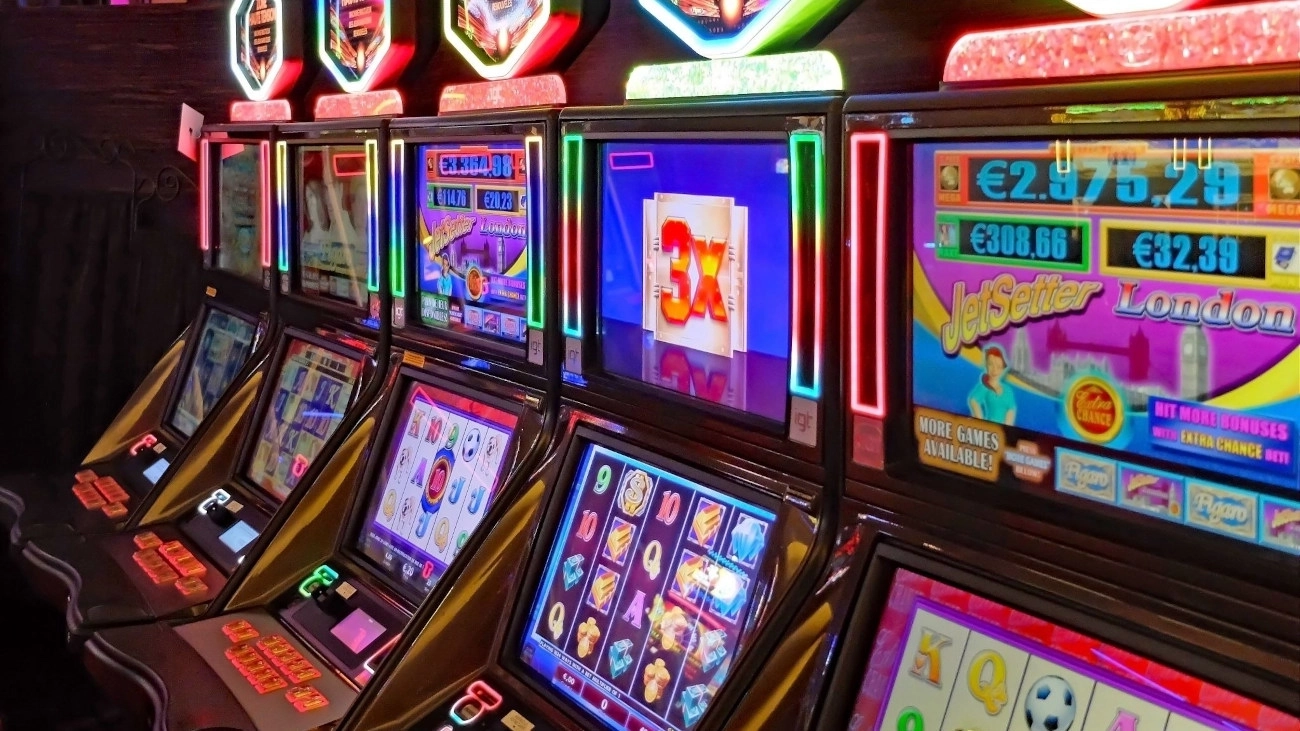
The Next Big Slot Trend: What to Look Out For
Slot trends rarely arrive as one obvious change. More often, they appear in smaller details: how quickly a game loads, how clearly the reels are presented, how easy it is to return to a session later, and how much effort it takes to understand a new feature.
Player Habits Are Changing the Shape of Slots
When we talk about the future of slot design, the conversation often drifts toward virtual reality or completely reinvented math models. In reality, the next big slot trend is much more grounded. The defining shift for 2026 and beyond is hyper-optimized usability; specifically, the move toward "cleaner complexity" for short-burst mobile play.
For a user scrolling through a modern game portfolio similar to the one on voltrush online casino, the decision to stay with a game or leave it is usually made within the first 30 seconds. The industry has realized that the next era of development isn't about inventing wild new mechanics; it is about flawlessly organizing the ones we already have so they can be instantly understood on a six-inch screen.
The primary driver behind this trend is that slot design is increasingly responding to how people actually play. Someone opening a casino app on their smartphone during a short break is not using the platform in the same way as someone sitting at a desktop for an hour. That difference affects everything from game pacing to visual layout.
Instead of building every slot around long, continuous sessions, developers are paying closer attention to shorter, repeat visits. A player might open one game, try a few spins, switch to another title, and come back later in the evening. The game has to feel familiar quickly, otherwise it risks losing attention before the player has properly settled in.
Here is a closer look at what is driving this UI-focused trend and how it is reshaping the games we play.
The First Minute Matters More Than It Used To
Older slot games often assumed players would spend time learning the rhythm. The first few spins could be slow, with the main features sitting deeper in the session. That approach still exists, but it is less suited to mobile-heavy play.
Newer slots often make their structure clearer almost immediately. This does not mean outcomes change or become easier to predict. It means the game communicates faster. Symbols are easier to read, feature triggers are explained more plainly, and early feedback feels more active.
Operators just like Voltrush Casino reflect this shift by placing different slot styles side by side. If one game feels slow or difficult to read, users can move on quickly. That puts pressure on games to make a stronger early impression without becoming overloaded.
Core Game Design Moving Toward Cleaner Complexity
A common misconception is that mobile-first slots are becoming mathematically simpler. In fact, modern games are more complex than ever, frequently combining cascading reels, Megaways grids, holding mechanics, and layered free spin ladders into a single title. The actual shift is in how that complexity is presented.
Instead of displaying every feature at once, designers are adopting a cleaner baseline interface, keeping the advanced mechanics hidden until they are triggered.
Several specific UI choices are driving this trend:
-Hitbox optimization: Spin and bet buttons are sized specifically for thumbs and use the bottom third of the screen.
-Progressive disclosure: Bonus rules are explained via short, in-game animations rather than dense text menus.
-Decluttered peripherals: Decorative background art is muted or removed entirely to draw focus strictly to the reels.
-Subtle state trackers: Meters and multipliers are integrated cleanly into the borders of the game grid.
-Audio reinforcement: Sound design is used to indicate near-misses or feature build-ups, reducing the need for visual text.
The smartest titles currently on the market retain deep mathematical complexity without letting it overwhelm the screen.
How Slot Structure Is Changing
| Area of Design | Older Slot Pattern | Current Direction |
|---|---|---|
| Session style | Longer, more settled play | Shorter, repeat visits |
| Visual layout | Dense screens with many details | Clearer reels and fewer distractions |
| Bonus explanation | Paytable-heavy learning | Shorter prompts and visual cues |
| Mobile play | Adapted from desktop | Built around smaller screens |
| Player movement | Staying with one title | Moving between several games |
The important point is that these changes are practical. They are not just cosmetic. They respond to how people move through games now, especially on mobile. As Forbes has reported on mobile gaming trends, the industry is moving towards rapid gameplay iteration and personalized player experiences, which align directly with this structural shift in slots.
Regulation Is Likewise Shaping Trends
Design trends are also heavily influenced by compliance requirements. In several major markets, regulators have begun addressing the speed and intensity of digital gambling.
As the UK Gambling Commission and other European regulatory bodies began implementing mandatory time delays between spins and banning "turbo" features, they fundamentally altered how games had to be played. According to iGaming Business's industry coverage, these constraints forced developers to find new ways to maintain engagement without relying on hypnotic, rapid-fire pacing.
If a player is forced to wait three seconds between every spin, the quality of that spin must be higher. Studios are compensating by improving the animation quality, expanding the audio tracks, and creating more deliberate, suspenseful pacing within the mechanics themselves.
Feature Hierarchy and Visual Noise
Another UX trend gaining traction is the enforcement of strict visual hierarchy. During the initial boom of grid slots, developers fell into the trap of "feature soup"; cramming too many meters, floating symbols, and flashing multipliers onto the screen at once. The resulting visual noise was exhausting for users.
Modern design is much more disciplined. If a specific scatter symbol is the most important item on the board, it is given the highest contrast and the most prominent animation. Secondary features are visually subdued until they become relevant to the payout. This prevents cognitive overload and keeps the player focused on the primary objective.
Designing for the Mobile Viewport
The physical constraints of smartphones have forced a reckoning in slot development. A layout that looks gorgeous on a large desktop monitor often becomes unplayable on a six-inch screen.
Spacing is critical. If the bet adjustment button is too close to the spin button, players will make frustrating errors. If the balance indicator is too small, they lose track of their session. Mainstream tech publications like TechCrunch regularly cover how mobile developers use telemetry to refine touch interfaces, and casino studios are using the exact same heat-mapping technology to optimize their layouts. The result is a generation of slots that feel incredibly natural to navigate with one hand.
The Psychology of the Return Visit
One of the most overlooked aspects of slot design by game providers is the "return visit" metric. Imagine a player trying a slot, playing for five minutes, and closing the app. When they return three days later, they need to remember what they were working toward.
If a game features a complex collection mechanic but fails to remind the player of their progress upon reloading, the psychological hook is lost. To maintain engagement, a game must reduce unnecessary mental friction; as web usability pioneer Jakob Nielsen notes in his foundational research on 10 Usability Heuristics for User Interface Design, developers must "minimize the user's memory load by making visible objects, actions, and options." When an interface forces players to waste energy trying to recall past session data, player retention drops significantly.
The most successful contemporary slots act like save states. They use visual cues to remind the player immediately of their current progress, making it easy to pick up exactly where they left off.
Personalization Without Making the Game Feel Strange
Beyond the games themselves, the architecture of the casino lobby is shifting. Just like Voltrush Casino, online operators use basic user data to filter and organize titles based on demonstrated preferences.
If a user consistently plays low-volatility, Egyptian-themed games, a well-designed lobby will begin surfacing similar math models and aesthetics. If they prefer high-risk bonus buys, those titles are moved to the front.
When done correctly, this feels helpful and unobtrusive. The danger lies in over-engineering the algorithm. If personalization becomes too aggressive, the lobby feels restricted. The best UX approach allows the software to organize the room without blocking the player's ability to browse freely.
Responsible Play Needs to Fit the Format
Because modern slots are designed for quick, frictionless access, responsible gambling features must be equally integrated. A player dropping in for a few minutes a day might not realize how much time or money they have spent over the course of a month.
Effective platform design now builds reality checks and balance trackers directly into the peripheral UI, ensuring players maintain context without feeling scolded. Tools for setting deposit limits or taking timeouts are no longer hidden in nested menus; they are accessible within a tap or two.
Where the Trend Is Really Heading
The phrase “next big trend” suggests a loud, disruptive revolution. In practice, the evolution of slot design is a quiet refinement of usability.
Games are becoming more respectful of the player's time, more aware of device constraints, and much smarter about how they display information. For the end user, this simply means that modern slots are less frustrating to look at and easier to understand. But for the studios building them, mastering these subtle UI details is the defining challenge of the current market.


