
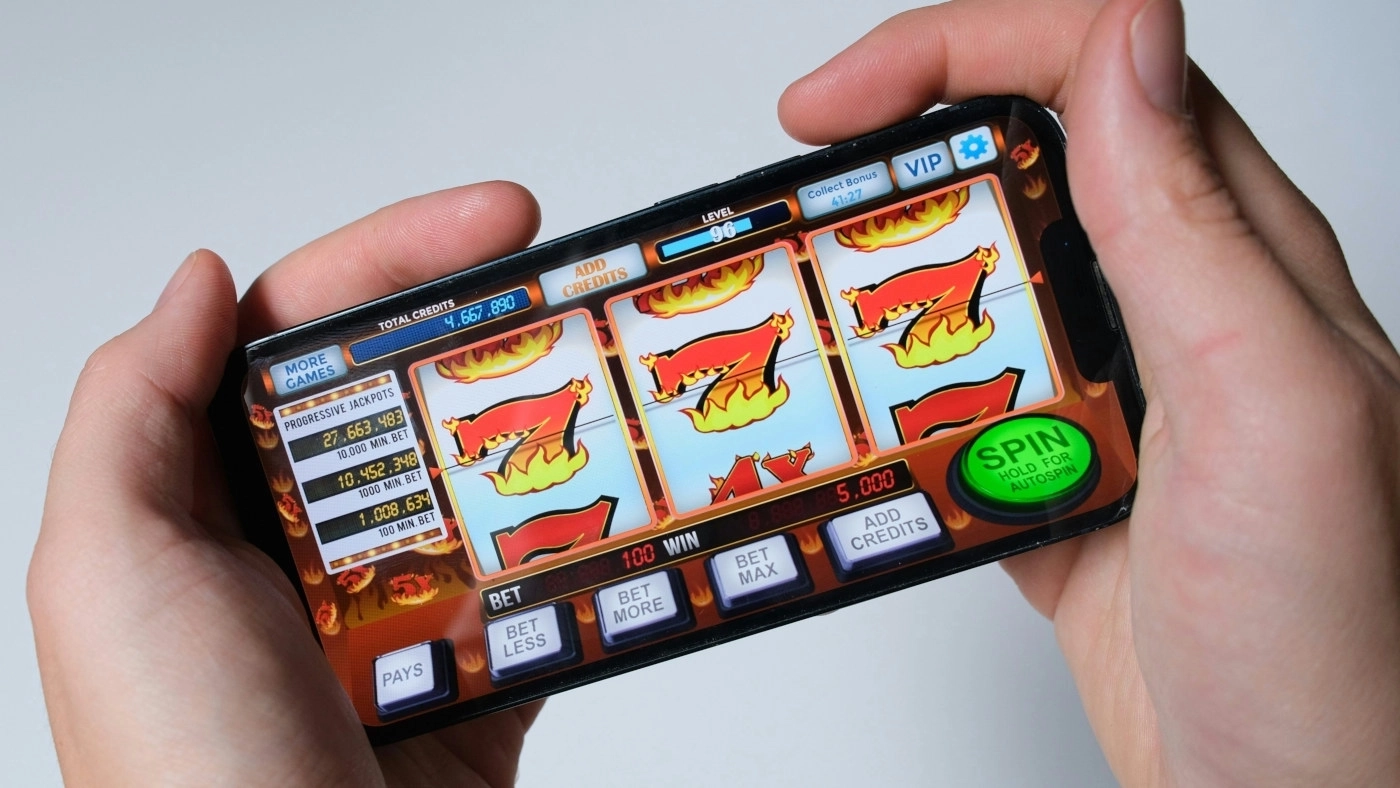
Free play is a common concept in modern gaming and online entertainment. You’ll often see games with free modes or trial periods. However, any free gaming offers come with a challenge known as the “demo-to-real gap.”
This gap refers to the disconnect between players who engage with free versions of games and those who actually become paying users. Fewer than you may actually realise make the jump into the paid mode.
This article explores whether free modes are worth it and why brands rely on them to build a loyal player base. We’ll also explore the risks and downsides of free play.
What Is Free Play and How Does It Work?
Let us begin with a quick definition. For anyone new to gaming business models, free play includes demo modes, free-to-play (F2P) games, and trial-based experiences. The similarity between them all is that you don’t have to spend any money to get involved.
Since they don’t have a cost, free play allows users to explore games without financial commitment or, more importantly, financial risk. In online casinos, this might mean demo slots or bonuses, while in video games, it often involves full access with optional in-game purchases.
As a quick note, if you are looking for free or no deposit bonuses for casino games, always do your due diligence and read reviews to find casino free spins worth claiming right now.
Jonas Kyllönen, Online Casino Expert at Mr. Gamble stated that “Game developers rely on free trials and F2P games to get players interested. But they always make sure the mode leaves the users wanting more, and this is to tempt them into subscribing or making a deposit. Without paid players, the games wouldn’t be able to exist.”
The Psychology of “Free”
It’s no secret that people are always attracted to free offers. You probably know this yourself. The success of free play is largely driven by psychology.
This is because the concept of “free” reduces the look of risk and even makes it easier to decide. Instead of weighing up the costs, users are more likely to engage as you don’t need to think of budgets.
This is known as the “zero-price effect.” The effect increases participation and lowers barriers to entry, and is part of the reason some successful games attract large audiences.
Typical Conversion Rates From Free Play
Can you guess how many players actually sign up after using a free offer? You might be surprised. Despite high engagement with free play, conversion rates for paid users remain relatively low.
Across both gaming and software industries, only about 2 to 4% of users typically transition from free to paid experiences. This is tiny. For example, for every 100 people that play a game, only 2 to 4 will actually pay. Sure, if the game attracts thousands of people, this small percentage will shoulder the cost. But it still surprises most gamers.
Also, even highly successful games have seen declining conversion rates over time, meaning fewer people pay after the trial. This just shows how difficult it is to sustain monetisation.
| User Type | Likelihood to Convert |
|---|---|
| Highly engaged players | High |
| Social/community-driven users | Moderate to high |
| Competitive players | Moderate |
| Casual/free-only users | Low |
| Deal/bonus seekers | Moderate |
Why Free Play Drives Engagement but Not Always Revenue
So, as you can see from the examples above, free play is great at attracting users but doesn’t guarantee revenue. Many players are content staying within the free experience, even if it means missing out on elements, but especially if paid features are perceived as unnecessary or unfair.
Concerns around “pay-to-win” mechanics can further discourage spending, for example, loot boxes that give you XP without you doing any work. Critics of these say that such purchases disrupt competitive balance.
Paavo Salonen, Online Casino Expert at Mr. Gamble explained that “Even in the casino industry do we see complaints about expensive bonuses. Many players look for free offers or no-deposit bonuses that you can redeem without spending money. This way, you can extend your playtime without spending any extra cash.”
Key Factors That Influence Conversion
You can never guarantee that a free player will become a paid user. Even with the best data, nothing is guaranteed. However, several factors show that a player will be more likely to pay.
| Factor | Impact on Conversion |
|---|---|
| Clear value proposition | Encourages spending |
| Fair progression systems | Reduces friction |
| Transparent pricing | Builds confidence |
| Trust in platform | Increases willingness to pay |
| Social influence | Validates spending decisions |
Risks and Downsides of Free Play Models
While free play models can be awesome at getting games out there and drawing attention, they are not without risks. For example, overly aggressive monetisation can lead to player frustration and a poor reputation amongst gamers and on online forums.
Similarly, misleading systems may lead to no player trust, especially if the paid game is very different from the trial or F2P version. In these cases, players may feel manipulated, and again, this leads to poor press!
Conclusion
Free trials and F2P modes are not going anywhere. But developers cannot shy away from the fact that they are not foolproof models. Developers should watch the data and keep an eye on the factors that convert players best.


