
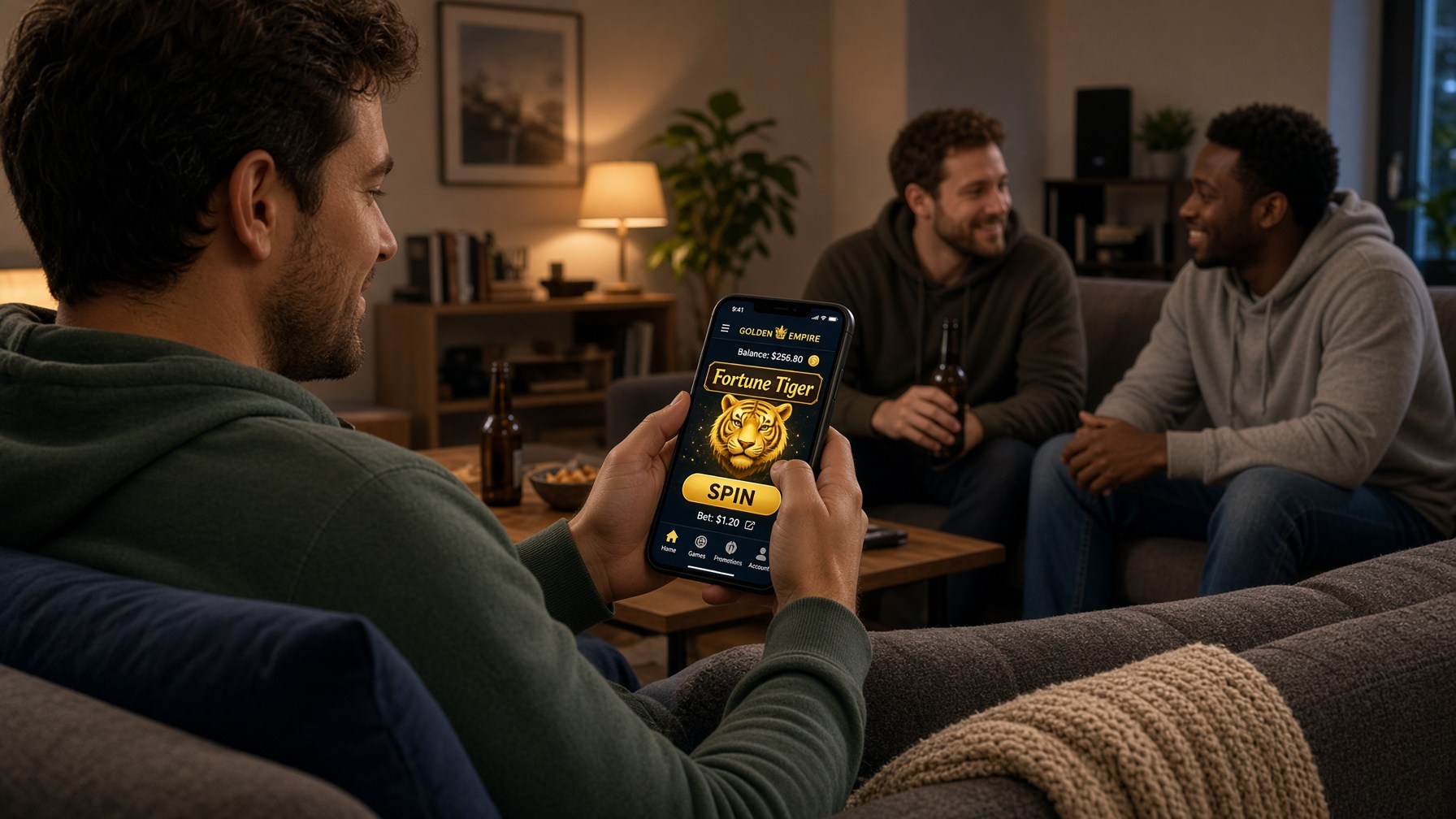
Ever circled a slot's launch date? You opened your casino app that morning and found nothing there? The date a studio announces is really the day casinos are allowed to add the game, which is a long way from showing up in your lobby.
In between, you've got licenses that differ from one country to the next, lab tests, local rules on how a game has to behave, and a fair bit of architectural implementation on each casino's end. This means some markets get a new slot within hours while others wait weeks for a modified version.
The same few reasons come up every time, so let's go through it by showing some examples by country, and then I'll show you how to check which version you're actually spinning.
What A Global Release Date Actually Covers
A global release date is a supply date. Whether your casino grabs it that day, next week, or never is another story. Part of the delay is the route a game takes. It sits on the studio's server, usually gets passed along by an aggregator (a middleman that bundles games from dozens of studios), and only then reaches the casino's platform.
The market itself adds another layer. You can spot a new game on a studio's release calendar and still not find it at Finnish-facing nettikasinot, since each casino has to integrate it. It also needs to be certified to fit the market.
Finland is about to shake things up, too. Its licensed online casino market opens on July 1, 2027, studios can apply for Finnish software licenses from that same day, and from July 1, 2028 licensed casinos can only use games from licensed suppliers.
So when you see "out now," it really means available for the casinos that are ready.
Every Market Wants Its Own Approval
Most regulated countries want their own sign-off. To cite an instance, a Malta license doesn't get a studio anywhere in Sweden, Denmark, or New Jersey. Every new market means more paperwork, more testing, and more fees. Studios do the math on whether a smaller country is worth it, and when it isn't, you end up with a thinner catalog.
A few markets I keep an eye on:
-
Sweden: you can't make, supply, install, or tweak gambling software for Swedish players without a Swedish software license. And a licensed supplier isn't allowed to sell games to casinos that don't hold a Swedish license.
-
Denmark: since January 1, 2025, Danish-licensed casinos can only run games from suppliers with a Danish B2B license (or games they've certified themselves).
-
New Jersey: nothing goes live until the state's gaming lab has approved it. The same studio then files again in Pennsylvania, Michigan, and every other state that allows real-money online casino games.
-
Canada: in Ontario, suppliers have to register with the provincial regulator before anything else happens. Alberta only opened its market on July 13, 2026, and it runs its own supplier licensing and game checks.
So if a slot release tracker shows a game as live in one region but not yours, that's usually the reason. Some regions simply get there weeks earlier.
The Same Slot Often Ships As A Different Build
Plenty of countries have rules on how a slot is allowed to behave, so the studio ends up building (and certifying) a separate local version. Same name and same artwork, but underneath it plays differently. Britain and Germany show just how far apart two neighbors can be.
Britain
Online slots in Britain need at least 2.5 seconds between spins, autoplay is banned, and turbo or slam-stop buttons aren't allowed. Stakes are capped at £5 per spin for players aged 25 and over and £2 for those aged 18 to 24. Bonus buy features, which cost 100x the stake or more in many other markets, have also been pushed out of British lobbies.
Germany
In Germany, a round has to last five seconds on average, and every spin needs a new click. Progressive jackpots are banned, and each game needs its own approval. The €1 stake cap was lifted on July 1, 2026. Players over 21 can now bet up to €3, or €5 with closer monitoring.
Compliance Can Pull A Game After Launch
Getting a game live doesn't mean it's there for good. Regulators keep checking after launch, and a slot that breaks a rule can be gone from the lobby overnight.
That happened in Britain in June 2026. A supplier paid a £122,835 settlement after one of its slots allowed a new spin just 1.97 seconds after the last, under the 2.5-second minimum. A retest found 15 more games running slightly fast, so the studio pulled its whole British catalog until they were fixed.
Other games disappear more quietly. A branded slot can be pulled when the licensing deal ends, or a studio leaving a market once the costs stop adding up.
How To Check What You Can Actually Play
Before chasing a new release, this is what I check (it saves a lot of head-scratching):
-
The game's info or help screen, at your own casino. That's where you'll find the stake range, the features, and the RTP for the version you're really on.
-
Streamer clips and reviews from other countries, which I take with a pinch of salt. Their build might have features that aren't allowed where you live.
-
Whether the casino actually holds a license where you live. Offshore sites sometimes list games your market hasn't approved, and you don't get the protection a local license gives you.
-
The date on any guide you're reading. Rules such as Germany's stake limits changed recently, so older articles may be wrong.
Next time a big release drops, check the slot's release details first. Then check your licensed casino to confirm whether the slot is available and which version is live where you play.


